


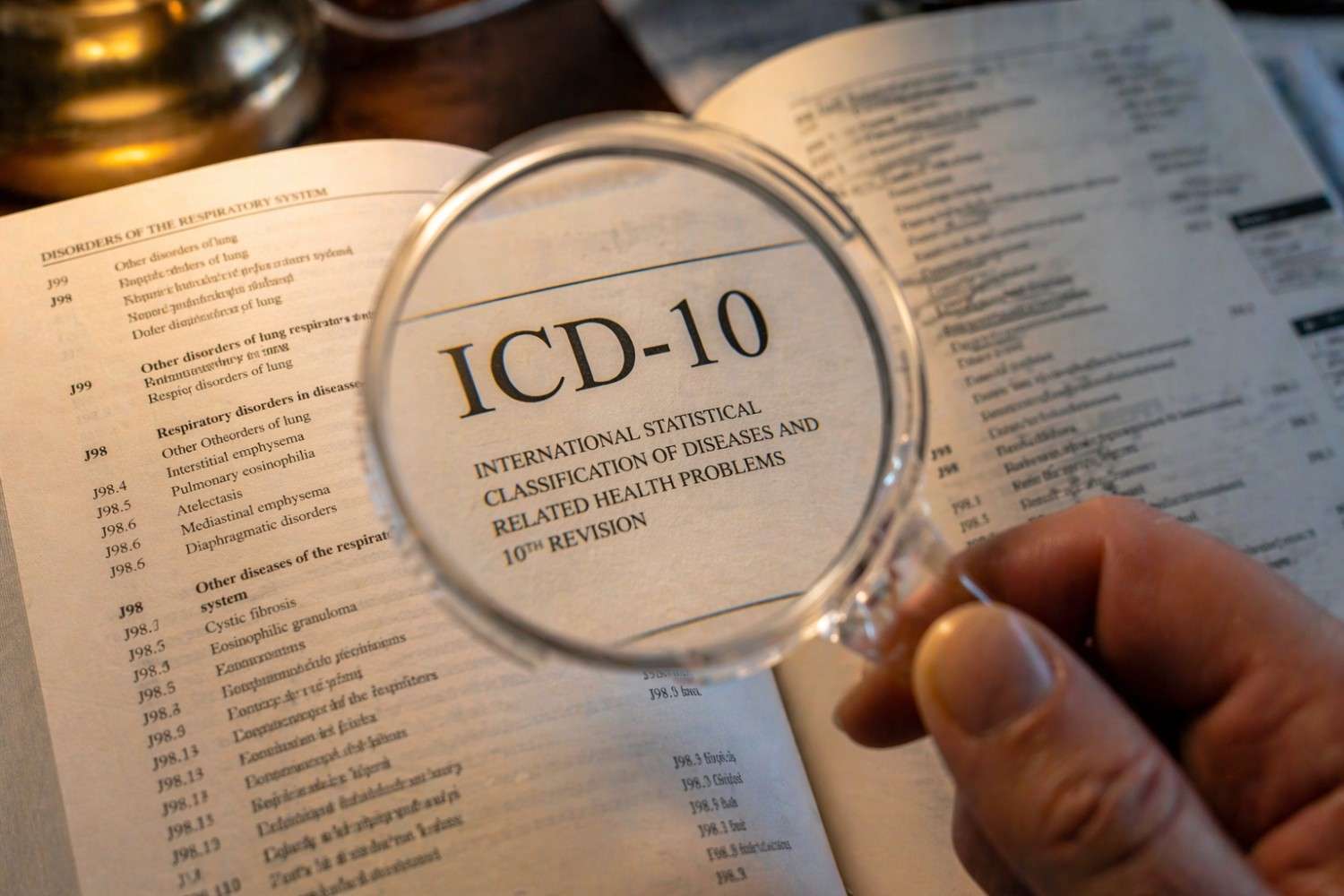
Tips and Strategies for Medical Coders are essential in the intricate field of medical coding, where staying updated with the latest coding standards is crucial for accuracy and efficiency. One of the most important standards in this domain is the International Classification of Diseases, Tenth Revision (ICD-10). Adopted to ensure uniform diagnostic specificity and treatment accuracy, ICD-10 plays a critical role in medical coding. This blog explores practical tips and strategies to help medical coders effectively navigate ICD-10 coding, enhancing both skills and compliance.
Understanding ICD-10
ICD-10 codes are used not only to identify a patient’s diagnosis but also to streamline billing processes and enhance healthcare data management. With over 70,000 unique codes, the ICD-10 system offers a detailed description of medical conditions and procedures, which demands precision and expertise from medical coders.
1. Stay Informed and Updated
The ICD-10 code set is dynamic, with updates released annually. These updates can include new codes, revisions to existing ones, and deletions of outdated codes. To maintain coding accuracy:
- Regularly participate in workshops and webinars that focus on the latest ICD-10 updates.
- Subscribe to newsletters from reliable coding resources like the AAPC (American Academy of Professional Coders) and the WHO (World Health Organization).
2. Invest in Quality Reference Materials
Effective coding requires access to up-to-date coding books, software, or online databases that provide quick and accurate code searches. Invest in quality ICD-10 coding manuals, and consider subscribing to online coding tools that offer features like auto-suggestions for codes based on diagnostics input.
3. Understand the Clinical Material
A strong grasp of medical terminology, anatomy, and physiology is fundamental for accurate ICD-10 coding. Coders must:
- Understand the disease processes and how they relate to the codes.
- Keep up with medical advancements to comprehend new procedures and treatments that might affect coding.
4. Utilize Technology
Leverage coding and billing software that is equipped with ICD-10 search tools. These technologies can reduce manual search time and help avoid errors. Many modern systems also provide audit trails and quality checks to ensure coding accuracy.
5. Practice and Peer Review
Regular practice through coding scenarios and peer reviews can significantly enhance your coding accuracy. Engaging in coding forums and discussion groups can also provide insights and help troubleshoot challenging coding scenarios.
6. Focus on Detail
ICD-10’s specificity can often be a double-edged sword. Paying close attention to details in the medical record is essential:
- Look for keywords in the physician’s notes that indicate specifics like the location of the condition, causative factors, and the encounter type, all of which influence the coding.
7. Time Management
Efficient time management is crucial, especially when dealing with large volumes of medical records. Develop a systematic approach to your coding tasks to maximize productivity without sacrificing accuracy.
Conclusion
Mastering ICD-10 coding requires a balanced approach of education, practical application, and continuous learning. By staying informed, investing in the right tools, and practicing diligently, medical coders can achieve high levels of accuracy and professionalism. For those interested in a career in medical coding, or looking to sharpen their skills. Ibis Academy offers a comprehensive medical coding course that covers these essentials and more, preparing you for a successful career in this vital healthcare field.
Ibis is accredited by the IACET (International Accreditors for Continuing Education and Training) and offers IACET CEUs for its learning events that comply with the ANSI/IACET Continuing Education and Training Standard. This prestigious accreditation underscores the quality and global acceptance of the education provided at Ibis.




.webp)