


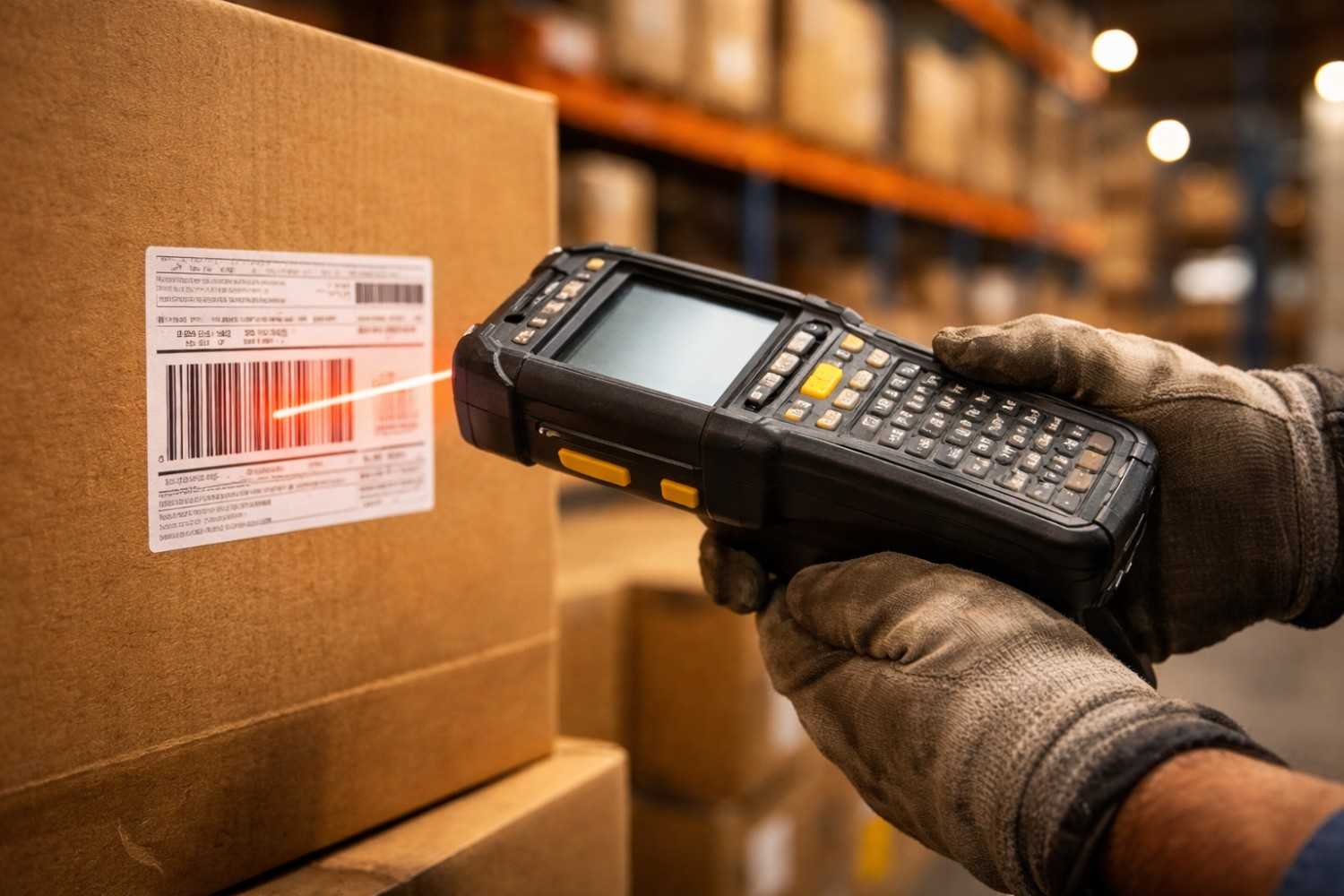
Logistics Management is increasingly reliant on technology due to the rapid growth of e-commerce and the rising demand for faster, more efficient delivery systems. In this highly competitive industry, effective logistics management ensures smooth operations, timely deliveries, and customer satisfaction.
This blog post guides you through the role of technology in modern Logistics management.
Internet of Things (IoT)
IoT connects devices to monitor the condition and location of equipment, vehicles, warehouses, and goods. It helps in:
-
Real-Time Product Tracking
GPS sensors attached to the containers or cargo can give live updates regarding the location, speed, shipment status, and other important factors. It increases the visibility and accuracy of delivery.
-
Improved Safety
Devices can sense and detect changes in humidity or temperature levels of the products. Also ensuring sensitive goods like pharmaceuticals are transported under safe conditions.
-
Theft Detection and Security
Advanced security systems can send timely alerts to stakeholders in case of any potential damage or theft.
Artificial Intelligence (AI)
AI integration is transforming the modern logistics management by:
- Analyzing large amounts of data to predict demands, manage inventory and route planning.
- Improving the decision-making process to minimize errors and fulfil customer satisfaction.
- Utilizing time-based pricing models that align with the market conditions to lower costs, and stay competitive.
Transportation Management Systems (TMS)
TMS is a software that helps logistics companies efficiently manage their transportation process. It plans, executes, and tracks the physical movement of goods.
- It assists in identifying efficient routes and decreasing fuel consumption and delivery times.
Cloud Computing
Cloud computing technology in logistics management enables the collaboration, communication, and sharing of real-time data among several suppliers, carriers and customers. It delivers flexible and scalable data solutions for data processing and storage.
The main benefits of cloud-based systems are:
- Gain instant access to the logistics data at anywhere or any time for more efficient operation.
- Reduce the cost of infrastructure, operations and maintenance.
Blockchain Technology
Blockchain technology helps to verify, manage, and record the transactions transparently and securely.
- Its decentralized nature guarantees the data and records are permanent and non-accessible to third parties. It thereby lowers the risk of fraud.
- Smart contract programs simplify the supply chain process by minimizing paperwork and manual errors.
Conclusion
Technology is the most important part of modern logistics management. Blockchain technology, Artificial Intelligence, Transportation management systems and the Internet of Things can boost the overall efficiency and operations of logistics.
Hence it is necessary to adapt and implement these new technologies to stay relevant in this highly competitive field.



.webp)