



Human Resources (HR) has always been a crucial function in any organization, but the role of HR professionals has evolved dramatically over the past decade. With the advent of technology and digital tools, HR management has shifted from a traditional administrative role to a more strategic, data-driven function. In this blog, we explore how HR management is adapting to the digital age and why it’s essential for professionals to stay ahead of these changes by pursuing an HR course in Kerala.
1. The Rise of HR Technology and Automation
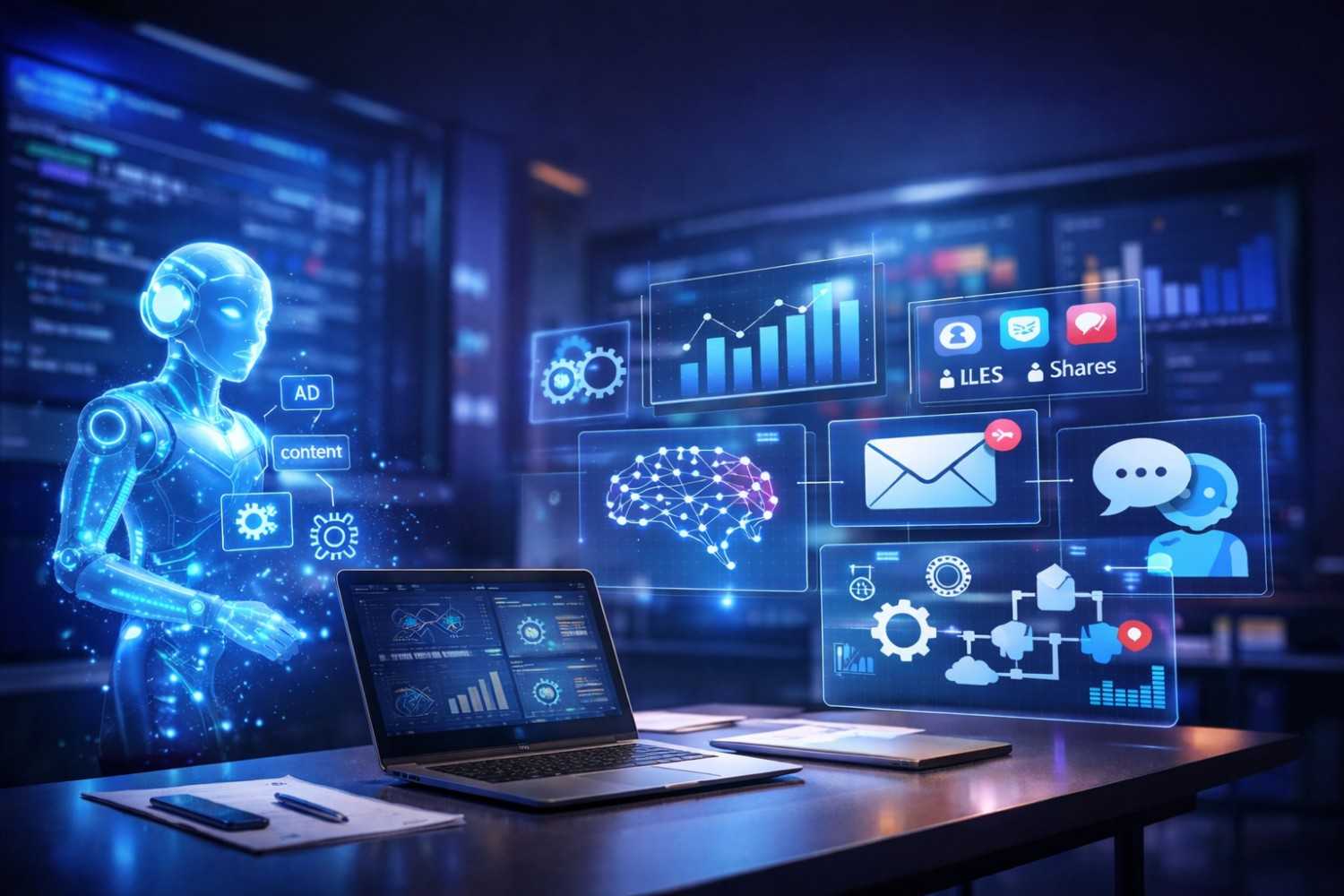
In the past, HR functions like payroll, attendance tracking, and recruitment were handled manually, often leading to inefficiencies and human errors. Today, HR professionals use software tools and applications that automate many of these tasks. Payroll management, employee benefits, time tracking, and recruitment are now streamlined with the help of HR technology solutions. Automation reduces the administrative burden on HR teams, allowing them to focus more on strategic tasks like employee engagement and organizational development.
Tools like Applicant Tracking Systems (ATS) and HR management systems (HRMS) are now integral in streamlining hiring processes and maintaining employee records. This shift in technology has made HR more efficient and data-driven, enabling companies to make faster, more informed decisions.
2. Data-Driven HR Decision Making
Data analytics has made a significant impact on HR. In the digital age, HR professionals now have access to vast amounts of data, which helps them make better decisions about recruitment, performance management, and employee development. With the use of people analytics, HR managers can track employee performance, predict turnover, and understand employee satisfaction and engagement levels.
Data-driven insights allow HR managers to identify trends and improve business strategies. For instance, analyzing employee performance data can help organizations identify high-performing individuals and areas where further training is required. This approach leads to more informed decision-making, resulting in better outcomes for both employees and employers.
3. Remote Work and Digital Communication Tools
The digital transformation in HR has been accelerated by the rise of remote work. As organizations shift to flexible work environments, HR departments are adopting digital tools to manage employees, regardless of their location. Tools like Slack, Microsoft Teams, and Zoom have become essential for communication and collaboration among remote teams.
Additionally, HR platforms that support remote onboarding, performance reviews, and feedback systems are now essential for organizations with a distributed workforce. This shift has made it possible for companies to hire and manage talent from around the world, further highlighting the importance of HR professionals being well-versed in digital HR management tools.
4. Employee Experience and Engagement
As organizations evolve, there is an increasing focus on improving the employee experience. Employee engagement is now seen as a key driver of productivity and retention. Digital tools allow HR teams to gather feedback from employees in real-time through surveys, polls, and performance reviews. These insights help HR professionals identify areas for improvement in workplace culture and employee satisfaction.
Moreover, many companies are using technology to foster a positive work environment by creating digital communities, hosting virtual events, and providing learning and development opportunities. All of this contributes to a more engaged and motivated workforce.
5. The Role of Artificial Intelligence in HR
Artificial Intelligence (AI) is increasingly playing a role in HR management. From AI-driven recruitment tools that scan resumes and match candidates to job descriptions, to chatbots that help employees with HR-related inquiries, AI is making HR processes more efficient. AI also helps HR professionals analyze employee data, predict trends, and automate routine tasks, allowing them to focus on higher-value activities.
While AI is transforming HR processes, it’s important to note that HR professionals still need strong interpersonal skills and emotional intelligence to manage the human side of the business effectively. AI complements the work of HR, but it doesn’t replace the need for human connection.
How an HR Course Can Help You Stay Ahead
As HR management continues to evolve, it’s essential for professionals to stay updated on the latest digital trends and technologies. Enrolling in an HR Management course at Ibis Academy equips you with the skills and knowledge to adapt to these changes. Our comprehensive course covers everything from HR technology and data analytics to employee engagement strategies and AI in HR. With practical training and expert guidance, you’ll be prepared to lead HR initiatives in the digital age and help your organization thrive.



.webp)