


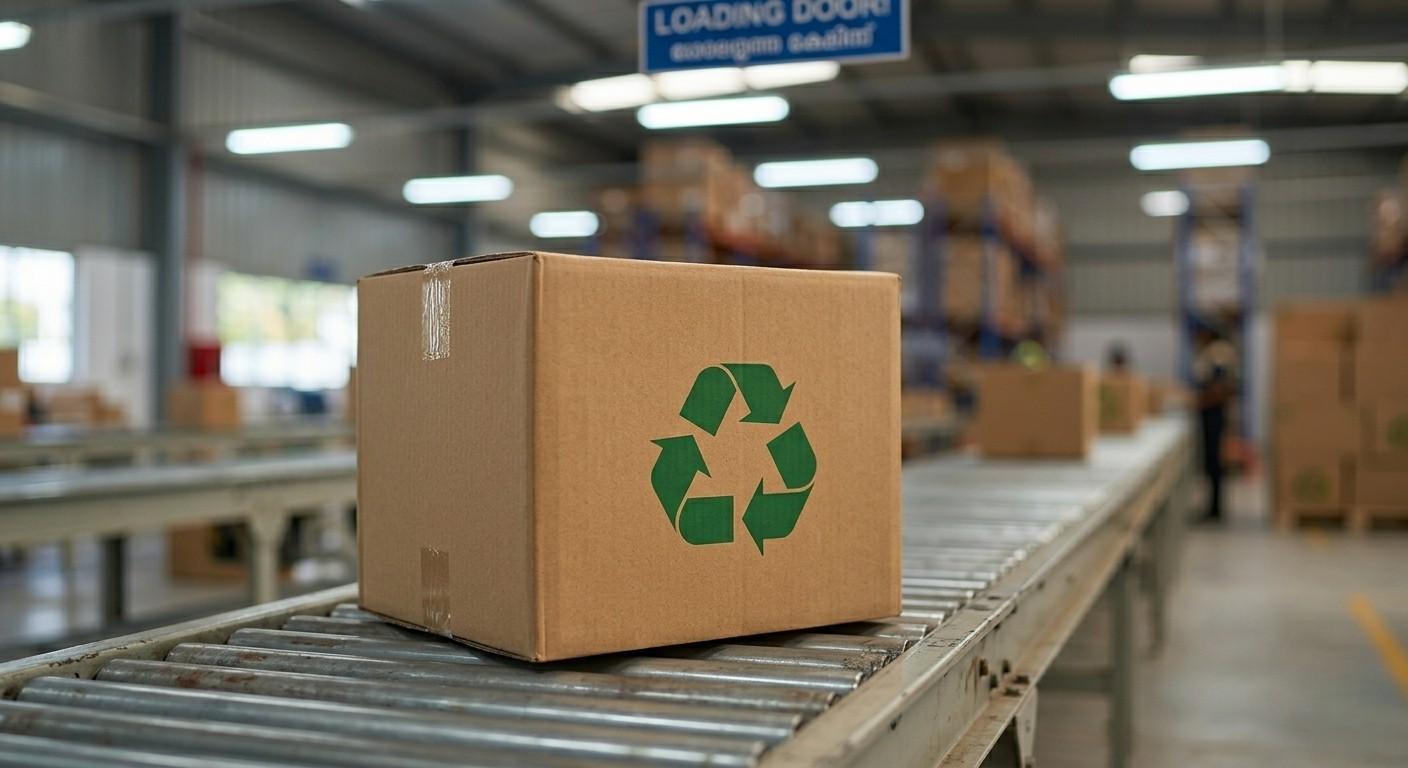
In today’s globalized economy, the demand for efficient supply chain operations is higher than ever. However, this efficiency often comes at a significant environmental cost. Enter green logistics—a concept that integrates sustainable practices into the supply chain to minimize environmental impact. As businesses strive to become more eco-friendly, green logistics has emerged as a critical strategy for achieving sustainability goals.
Understanding Green Logistics
Green logistics, also known as sustainable logistics, involves optimizing logistics activities to reduce their environmental footprint. This includes transportation, warehousing, packaging, and waste management. The primary goal is to balance economic performance with environmental responsibility, ensuring that supply chain operations are both efficient and sustainable.
The Importance of Green Logistics
1. Environmental Impact Reduction
One of the most compelling reasons for adopting green logistics is its potential to significantly reduce environmental impact. Traditional logistics activities, particularly transportation, contribute to greenhouse gas emissions, air pollution, and resource depletion. By implementing sustainable practices, companies can lower their carbon footprint and contribute to global efforts to combat climate change.
2. Cost Savings
Contrary to the misconception that sustainable practices are costly, green logistics can lead to substantial cost savings. Efficient resource utilization, reduced energy consumption, and waste minimization translate into lower operational costs. For instance, optimizing transportation routes can decrease fuel consumption and maintenance costs, while sustainable packaging can reduce material expenses.
3. Regulatory Compliance
Governments and regulatory bodies worldwide are increasingly imposing stringent environmental regulations. Adopting green logistics helps companies stay compliant with these regulations, avoiding potential fines and legal issues. Compliance also enhances a company’s reputation, showcasing its commitment to environmental stewardship.
4. Enhanced Brand Image
Consumers today are more environmentally conscious and prefer to support companies that prioritize sustainability. By adopting green logistics, businesses can enhance their brand image and appeal to eco-conscious customers. This not only boosts customer loyalty but also attracts new clientele who value sustainable practices.
Key Practices in Green Logistics
1. Eco-Friendly Transportation
Transportation is a significant contributor to carbon emissions in the supply chain. To mitigate this, companies can adopt various eco-friendly transportation practices. These include using fuel-efficient vehicles, incorporating electric or hybrid trucks, optimizing delivery routes, and consolidating shipments to reduce the number of trips. Additionally, leveraging rail and sea transport, which are generally more fuel-efficient than air and road transport, can further lower emissions.
2. Sustainable Warehousing
Green logistics extends to warehousing practices as well. Sustainable warehouses utilize energy-efficient lighting, heating, and cooling systems to reduce energy consumption. Implementing renewable energy sources, such as solar panels, further decreases reliance on non-renewable resources. Efficient space utilization and automation also contribute to reduced energy use and operational efficiency.
3. Green Packaging
Packaging plays a crucial role in the supply chain, and sustainable packaging practices can significantly reduce environmental impact. Companies can use recyclable and biodegradable materials, minimize packaging volume, and design reusable packaging solutions. These practices not only reduce waste but also decrease material costs and enhance product protection.
4. Waste Management
Effective waste management is a cornerstone of green logistics. This involves reducing, reusing, and recycling waste generated throughout the supply chain. Companies can implement programs to recycle packaging materials, repurpose products, and safely dispose of hazardous waste. Tracking and managing waste streams ensure that minimal waste ends up in landfills.
Challenges and Future Directions
Despite the numerous benefits, adopting green logistics presents challenges. Initial implementation costs, technological limitations, and resistance to change can hinder progress. However, as technology advances and environmental awareness grows, these barriers are gradually being overcome.
The future of green logistics lies in continued innovation and collaboration. Emerging technologies such as the Internet of Things (IoT), artificial intelligence (AI), and blockchain can further enhance supply chain sustainability. These technologies enable real-time tracking, predictive analytics, and transparent supply chain operations, leading to more informed and eco-friendly decision-making.
Conclusion
Green logistics is no longer a niche concept but a vital component of modern logistics & supply chain management. By integrating sustainable practices, companies can significantly reduce their environmental impact, achieve cost savings, comply with regulations, and enhance their brand image. As the world moves towards a more sustainable future, green logistics will play an increasingly important role in shaping a responsible and resilient supply chain. Embracing these practices not only benefits the environment but also ensures long-term business success.




.webp)