


Growing Demand For Hospital Administrators
According to the WHO (World Health Organization), the number of people aged 60 and older will hit 2.1 billion by the year 2050. So there will be an increase in demand for hospital administrators because elder people will need more medical attention. The chances for the rise of chronic diseases, the expansion of medical services, and the need for high-quality treatment and patient care are some other reasons contributing to this demand. The US Bureau of Labor Statistics (BLS) reports that job opportunities for medical and healthcare service managers are expected to grow by 28% from the year 2022 to 2032.
Major Responsibilities of Hospital Administrators
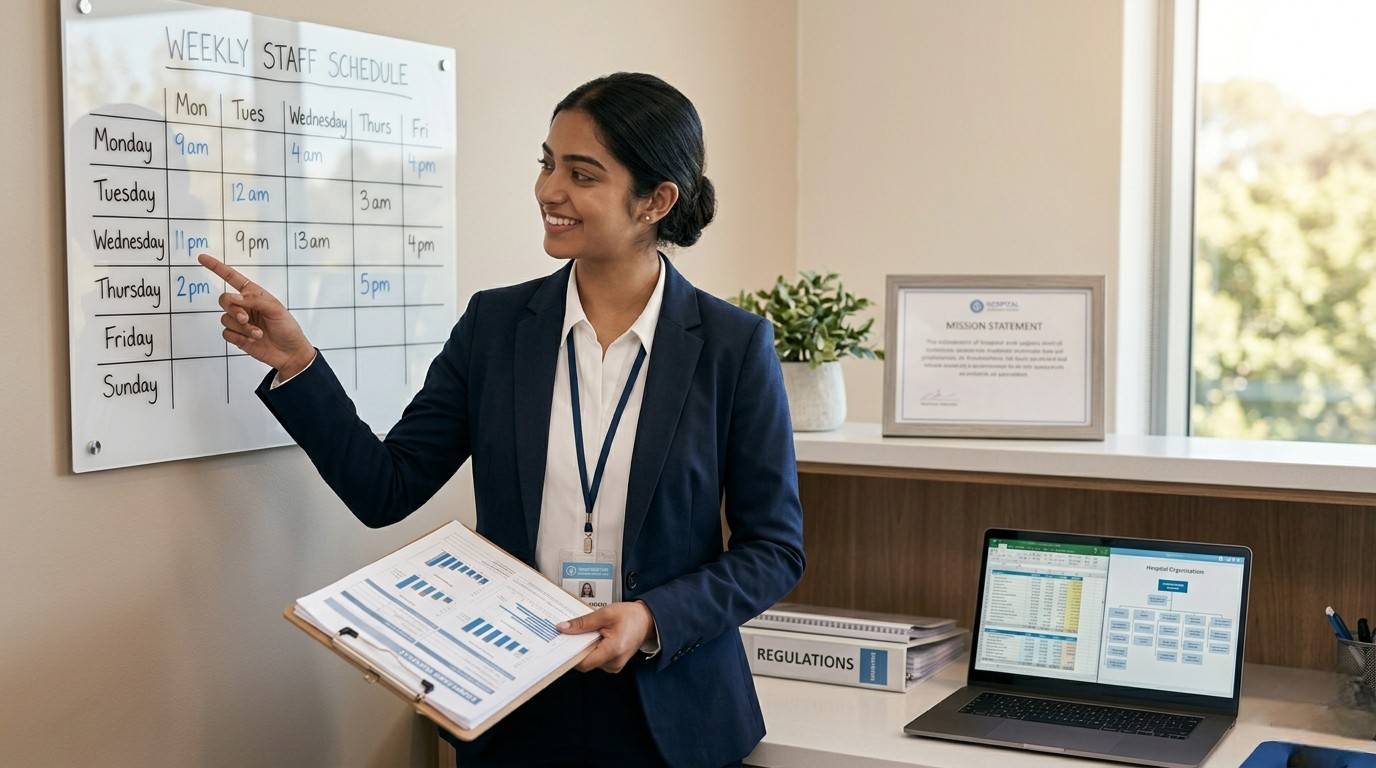
The main duty of a hospital administration professional is to properly plan, manage, and execute all the daily activities of a healthcare facility. They should always coordinate and work closely with the staff and healthcare practitioners to plan and implement policies to ensure patient satisfaction by providing quality patient care. These professionals are also directly involved in handling the financial concerns of hospitals.
Qualification and Skills Required For A Hospital Administrator
The basic qualification a candidate needs to start a hospital administration career is a +2 / Bachelor's Degree in any stream from a recognized board or university. However, enrolling in an internationally accredited hospital administration course with globally valid certifications can earn you relevant industry skills, experience, and knowledge to benefit a more stable career in this field.
One should have adequate leadership and communication skills, decision-making, and strategic planning to become a successful hospital administration professional. They also should be capable of managing and coordinating with healthcare practitioners, stakeholders, and patients to build a positive work environment.
Career Opportunities in Hospital Administration
A wide range of hospital administration jobs are available in the industry. Entry-level positions include:
- Medical Assistants
- Administrative Assistants
- Department Managers
With ample experience and skill enhancement, one can attain higher and senior-level roles such as:
- Chief Administrator Officer
- Chief Medical Officer
- Director of Quality Improvement
Conclusion
As the industry continues to evolve, the demand for highly skilled hospital administrators also rises. Their expertise in managing the operations of healthcare facilities and delivering exceptional patient care make them the most essential factors in shaping the future of the healthcare industry.




.webp)