


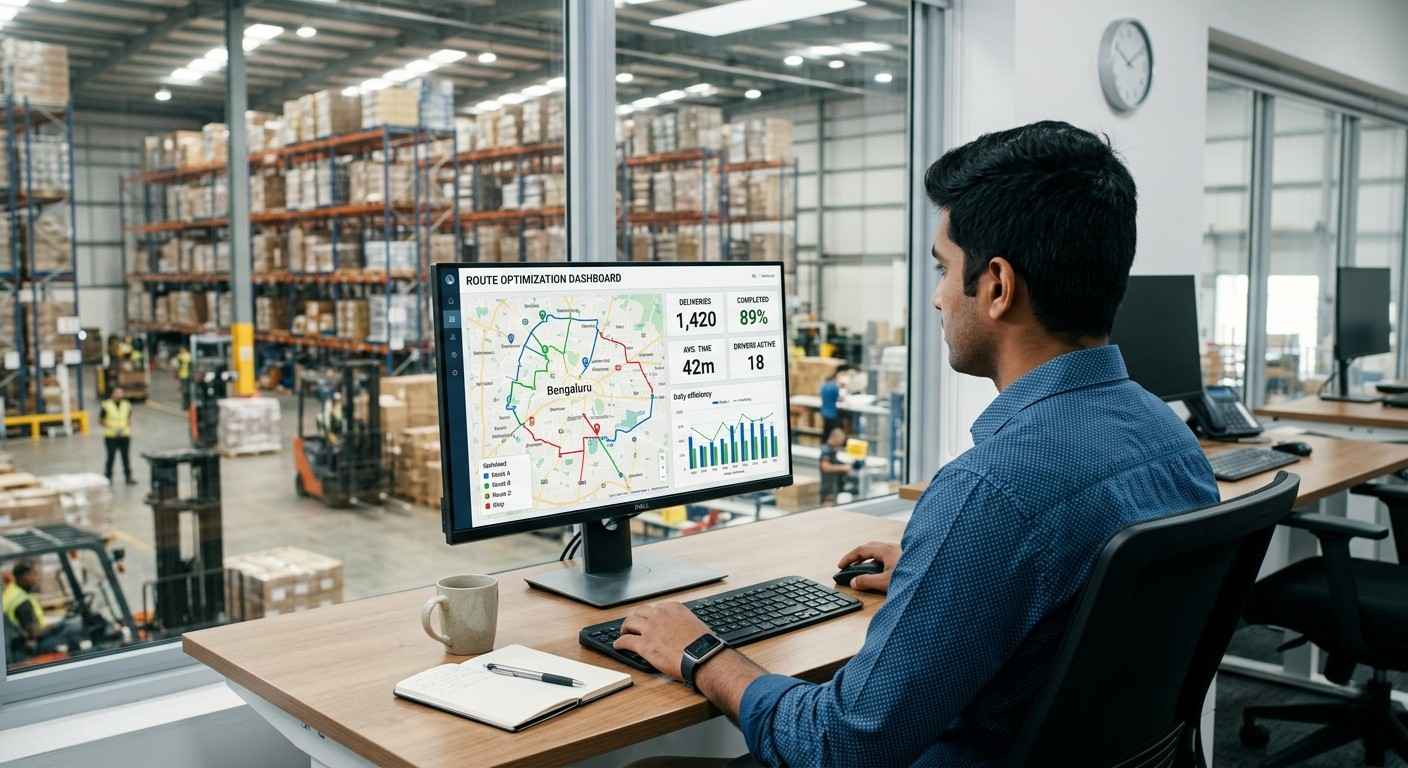
The logistics and supply chain industry is currently experiencing profound transformation due to advances in technology, changing consumer desires, and rising global complexity. Looking forward to 2025, multiple trends are projected to significantly alter how logistics and supply chain management is practiced - here are five trends which we predict will revolutionize its practice!
Increased Automation and AI in Logistics and Supply Chain Management
Automation and artificial intelligence (AI) are two of the most significant game-changers in the logistics sector. The integration of AI-driven systems will allow companies to streamline their operations, optimize delivery routes, and predict supply chain disruptions with greater accuracy. Automation technologies such as self-driving trucks, drones, and robotic warehouses are becoming more commonplace, and by 2025, these systems will be integral to most logistics operations.
For professionals looking to stay ahead of this trend, gaining expertise in automation and AI in logistics is crucial. Enrolling in a logistics course in Kerala will help you understand how these technologies are transforming the industry and give you the skills to work with advanced tools and systems.
The Shift Towards Sustainable Logistics
Sustainability has become a top priority for industries worldwide, and logistics is no exception. Consumers and businesses alike are increasingly concerned about the environmental impact of logistics operations. By 2025, companies will be under more pressure to adopt green logistics practices, including the use of electric vehicles, energy-efficient warehouses, and sustainable packaging solutions.
Sustainability in logistics involves reducing carbon footprints, lowering waste, and adopting energy-efficient technologies. As the logistics industry focuses on sustainability, professionals with expertise in green logistics will be in high demand. If you’re interested in playing a role in this important change, a logistics course will provide the necessary knowledge and skills to excel in this field.
Blockchain for Enhanced Transparency
Blockchain technology is revolutionizing the way supply chains operate by offering unparalleled transparency and traceability. With blockchain, businesses can track every step of the supply chain, ensuring secure, transparent, and tamper-proof transactions. By 2025, blockchain will be a common tool for businesses to increase accountability, minimize fraud, and improve efficiency across supply chains.
Professionals who understand how blockchain can be leveraged in logistics will have a competitive edge. A specialized logistics course will equip you with the knowledge to understand blockchain applications and its impact on supply chains.
E-commerce Growth and Last-Mile Delivery Innovations
The rise of e-commerce has been a significant driver in logistics. By 2025, the demand for faster, more efficient last-mile delivery will continue to grow. Innovations like same-day delivery, delivery drones, and autonomous vehicles will be increasingly integrated into supply chain strategies. E-commerce companies will rely on advanced logistics solutions to meet customer expectations for quicker deliveries.
Supply chain professionals must understand how to optimize last-mile delivery to remain competitive in the digital age. If you’re passionate about this aspect of logistics, there are courses that provide specialized training in last-mile delivery management and e-commerce logistics strategies.
Big Data and Predictive Analytics in Logistics
Big data and predictive analytics are transforming how supply chains are managed. With the ability to analyze massive amounts of data, logistics managers can make more informed decisions, optimize inventory, and reduce risks. By 2025, businesses will be relying heavily on data-driven insights to forecast demand, track shipments, and predict disruptions in the supply chain.
For those looking to master these technologies, learning how to leverage big data in logistics will be a crucial skill. Comprehensive logistics courses will teach you how to harness the power of big data and predictive analytics to make strategic decisions in logistics operations.
Conclusion
The logistics and supply chain industry is rapidly evolving, and staying ahead of these key trends will be essential for success in the coming years. Automation, sustainability, blockchain, e-commerce growth, and big data are all reshaping how supply chains function and creating new opportunities for professionals in the industry.
If you’re passionate about building a career in logistics and supply chain management, investing in the right education is key. Ibis Academy is one of the best institutions to study logistics courses in Kerala, offering comprehensive training in the latest trends and technologies shaping the industry. Enroll today to prepare for a successful career in logistics and supply chain management!




.webp)